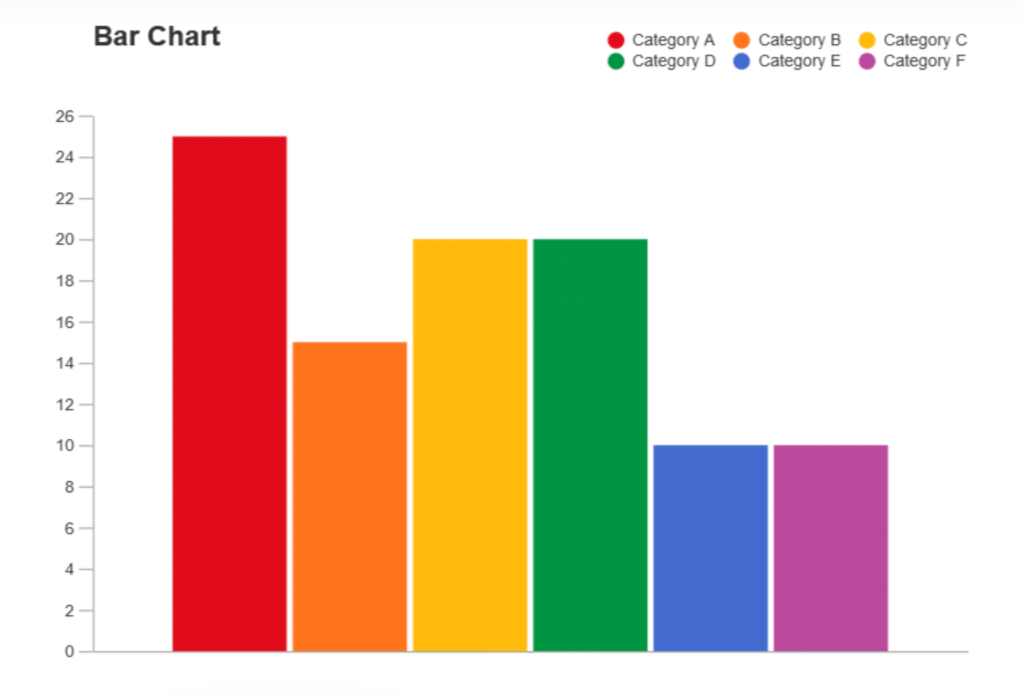
Data visualization possesses the remarkable power to reshape perspectives and influence minds. While raw information can hold intrigue, the act of visualizing this data unlocks heightened clarity, especially in the realm of problem-solving. Data assumes varied roles in the eyes of different individuals; however, to me, its essence is both elegant and profound. It embodies simplicity and beauty, intertwining to unveil insights that resonate.
Simple
Beautiful

As I delved further into the realm of Data Visualization, my fascination led me to the captivating domain of TensorFlow. Renowned as an open-source machine learning framework, TensorFlow stands as a powerful force, driving deep neural networks through its sophisticated high-level coding capabilities.
Crafted by the Google Brain team and unveiled in 2015, TensorFlow holds a distinct allure. Its uniqueness lies in an array of Artificial General Intelligences (AGIs) meticulously designed for data processing, visualization, model assessment, and deployment. This comprehensive ensemble empowers the average developer, rendering the realm of deep learning approachable.
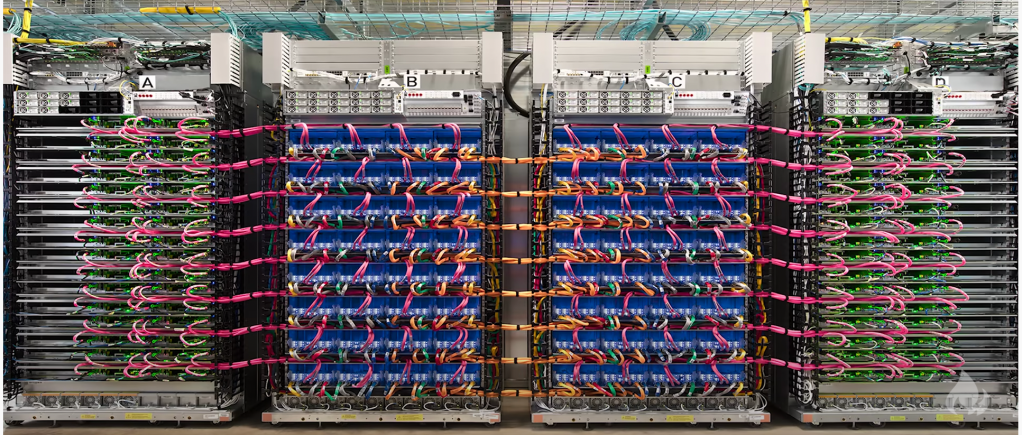
One of TensorFlow’s striking virtues is its remarkable portability. With the capacity to seamlessly operate across a spectrum, from diminutive mobile devices and CPUs to potent microcontrollers and multiple GPUs, it underscores adaptability at its core.
Moreover, TensorFlow boasts a burgeoning community that continually enriches its capabilities, lending a dynamic aspect to this innovative tool. This convergence of accessibility, versatility, and ongoing enhancement renders TensorFlow not just a machine learning framework, but a transformative agent shaping the future of AI-driven applications.
Its applications span diverse fields: from medicine, where it aids in detecting objects within MRI images, to Twitter, where it organizes timelines, Spotify employs it for music recommendations, and PayPal relies on it for identifying fraud. This technology’s utility extends into domains such as self-driving cars, natural language processing, and beyond. The possibilities are far-reaching, culminating in the creation of neural networks tailored to your specifications.
Seamlessly interfacing with the user-friendly Keras library, TensorFlow opens its doors to beginners and experts alike. The integration empowers enthusiasts to embark on their neural network journey without encumbrance. For those seeking hands-on exploration, the TensorFlow Playground (https://playground.tensorflow.org/) serves as an interactive haven.
Originating in the ingenious workshops of Google Brain, TensorFlow bears the insignia of its creators. Google Brain’s inception traces back to 2011, spearheaded by visionaries Jeff Dean, Greg Corrado, and Andrew Ng. Presently, their legacy resonates within Google Research. A trail of pioneering breakthroughs, ranging from AI infrastructure development (culminating in TensorFlow’s inception) to Sequence-to-Sequence learning, and even pioneering AutoML for automated machine learning tailored for production usage, punctuates their journey.
As I stand on the cusp of what the future holds, the vista appears breathtaking. The data deluge escalates to zettabyte magnitudes, a testament to our evolving technological prowess. I find myself envisioning a future where Data Visualization transcends present horizons. What I currently witness is merely the surface, and I eagerly anticipate the unveiling of its profound depths. The journey ahead promises to be remarkable, as we collectively traverse the unfolding landscape of Data Visualization’s potential.


 The Evolution of a New York City Man